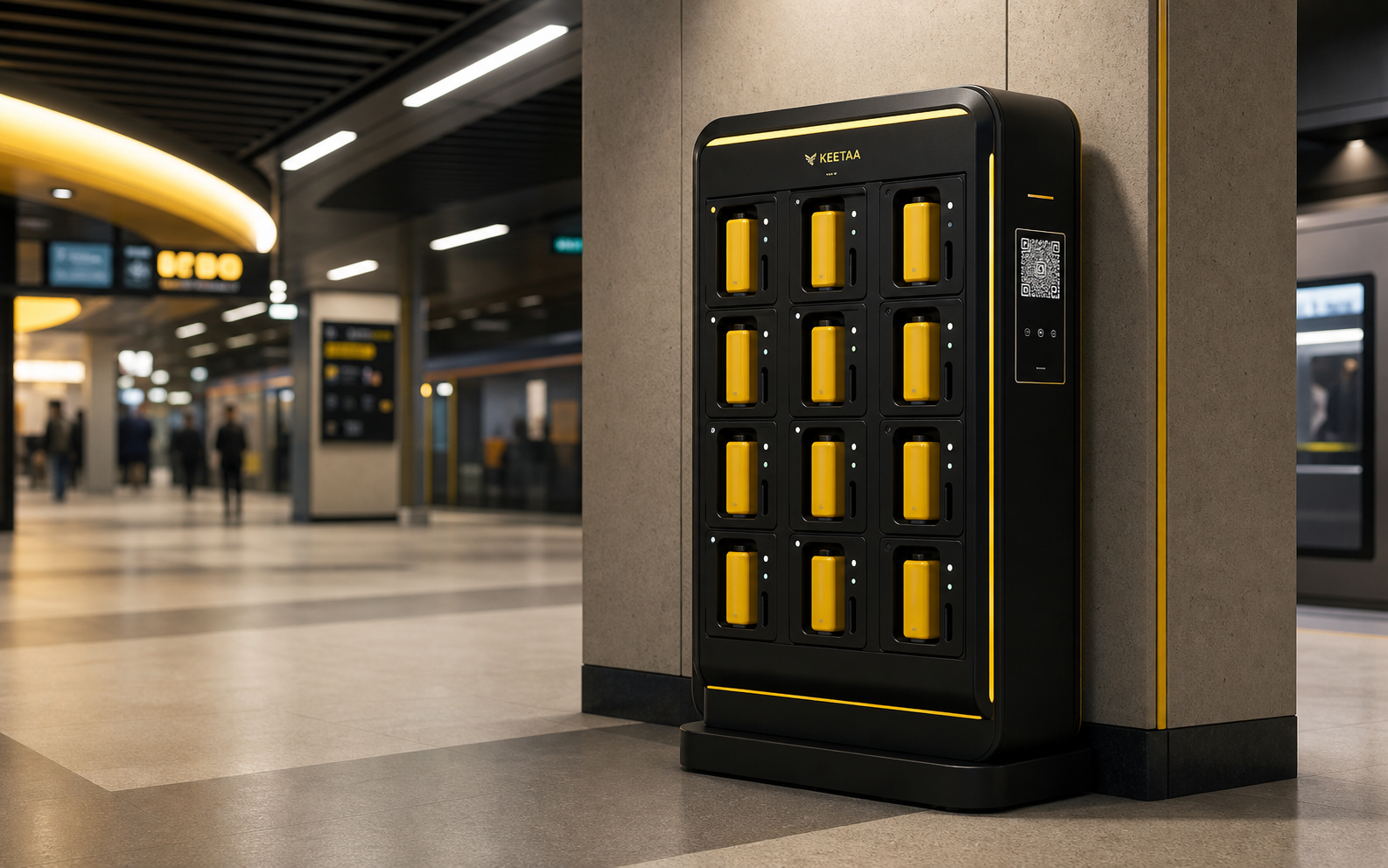
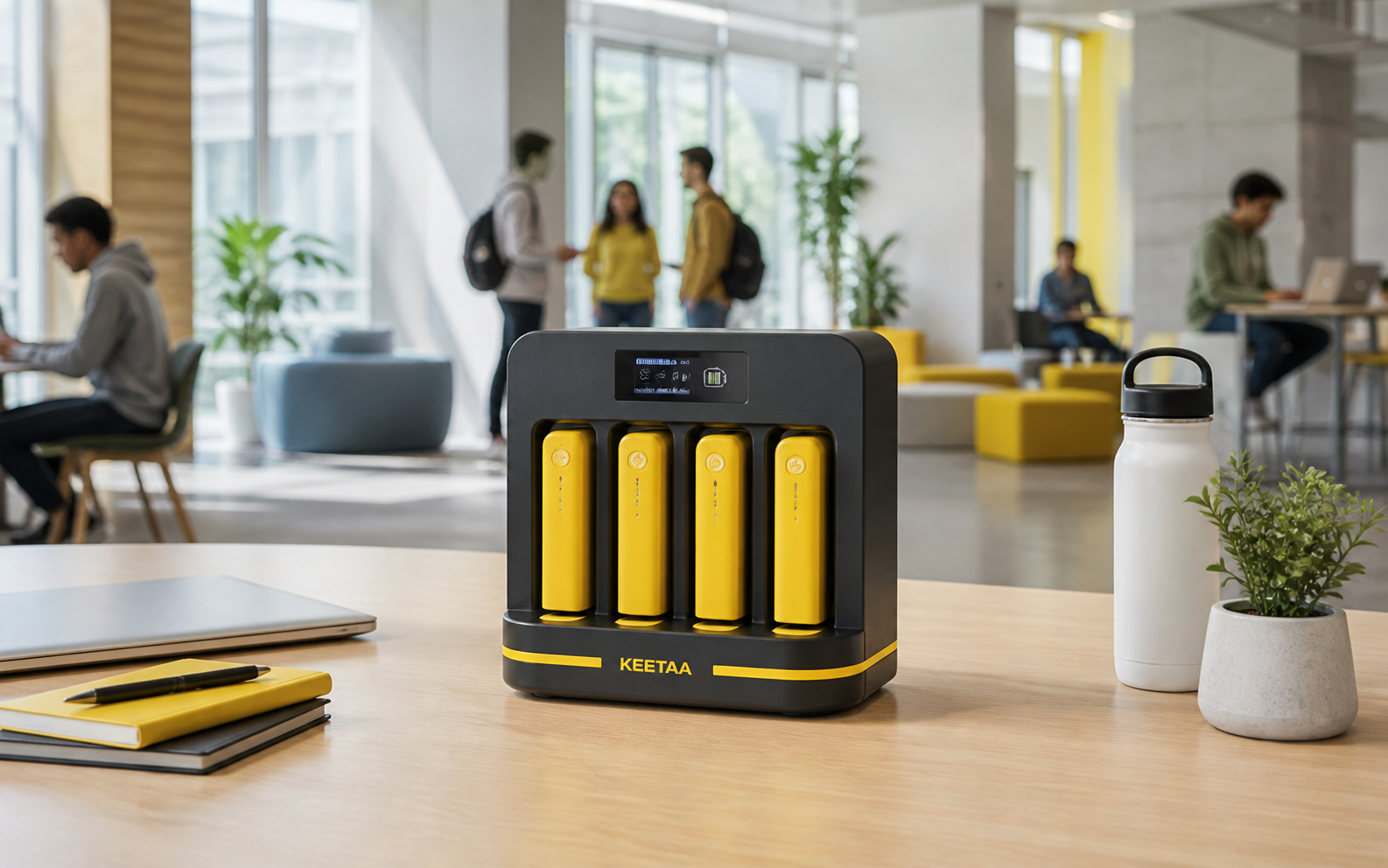
NEW MONEY ENTERS
Participants buy a package, node, membership or “income asset.”
CASE STUDY 01 · PRODUCT-WRAPPED PONZI
A polished product can make an impossible return feel ordinary. Learn to inspect the money flow—not the marketing.
FOLLOW THE MONEY
A Ponzi scheme appears stable while new money exceeds withdrawals. The product story may be real, exaggerated or entirely invented.
Participants buy a package, node, membership or “income asset.”
Selected withdrawals create social proof and trust.
Bonuses and urgency turn investors into promoters.
When deposits slow or withdrawals rise, the scheme collapses.
INVESTOR.GOV WARNING SIGNS
One warning sign is not proof. A cluster of them demands independent verification.
“Guaranteed” gains conflict with the basic relationship between risk and return.
Real investments fluctuate. Perfect daily profit deserves scrutiny.
Complex language replaces verifiable operations and financial records.
Income depends more on bringing people in than serving customers.
Promoters or offerings cannot be verified with the relevant regulator.
Delays, new fees and “reinvest” offers appear when users ask for cash.
CLASSROOM CASE FILES
Three fictional composite cases show how the same money-flow problem can be wrapped in different product stories.
A fictional membership network claims automated infrastructure profits while its payouts depend on a growing stream of new package buyers.
CASE NOTES →A fictional social group uses precision dashboards, automated tips and controlled success stories to make unverified returns appear measurable.
CASE NOTES →A fictional operator describes a secret allocation algorithm but supplies no independent revenue records to support the displayed returns.
CASE NOTES →CLASS DISCUSSION